Cryptocurrency investing has surged in popularity, evolving from a speculative niche to a dynamic and essential part of modern portfolios. Digital assets like Bitcoin, Ethereum, and a host of altcoins offer investors unique opportunities for growth, diversification, and innovation. However, the market’s volatility and regulatory uncertainty make it crucial to approach crypto investing with a well-informed strategy. This guide delves into the fundamentals, strategies, risks, and future trends shaping cryptocurrency investing.
—
Understanding Cryptocurrencies
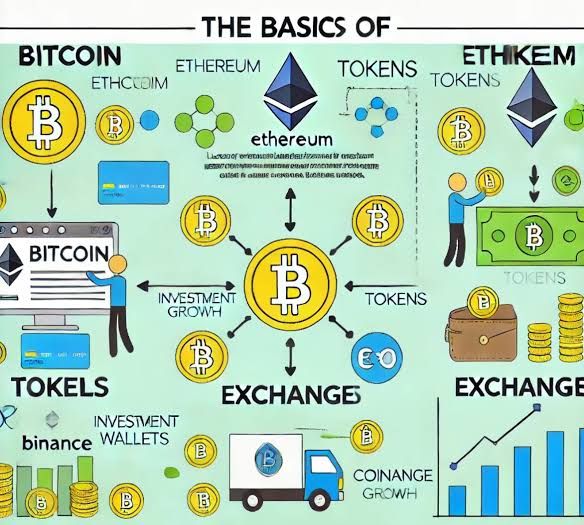
Cryptocurrencies are decentralized digital currencies that operate on blockchain technology, which ensures transparency, security, and immutability of transactions. Bitcoin (BTC), the first cryptocurrency, established the framework for decentralized finance (DeFi). Ethereum (ETH) expanded on this by introducing smart contracts, enabling decentralized applications (dApps) beyond currency use cases.
Other notable cryptocurrencies include:
Binance Coin (BNB): Used within the Binance ecosystem, offering trading fee discounts.
Solana (SOL): Known for its high transaction speed and low fees.
Cardano (ADA): Focused on sustainability and scalability with a research-driven approach.
—
Reasons to Invest in Cryptocurrencies
1. High Growth Potential: Many cryptocurrencies have delivered exponential returns, with Bitcoin surging from under $1 in 2010 to over $60,000 at its peak.
2. Portfolio Diversification: Cryptocurrencies provide a hedge against traditional assets like stocks and bonds.
3. Innovation in Finance: The rise of DeFi platforms, NFTs, and decentralized autonomous organizations (DAOs) represents new financial models.
4. Global Accessibility: Cryptocurrencies facilitate borderless transactions, making them attractive in regions with unstable fiat currencies.
—
Popular Investment Strategies
1. HODLing (Hold On for Dear Life): A long-term strategy focusing on enduring short-term volatility for long-term gains.
2. Dollar-Cost Averaging (DCA): Investing a fixed amount regularly to mitigate volatility risks.
3. Day Trading: Actively buying and selling cryptocurrencies to profit from short-term price movements.
4. Staking and Yield Farming: Locking cryptocurrencies in protocols to earn rewards or provide liquidity.
—
Managing Risks
1. Market Volatility: Prices can fluctuate drastically; Bitcoin, for example, has experienced swings of 50% within months.
2. Regulatory Changes: Governments are increasingly regulating crypto markets. The U.S., EU, and China have introduced new frameworks, influencing prices and market behavior.
3. Security Threats: Cyberattacks on exchanges and wallets are common. Investors must use reputable exchanges and secure wallets, such as hardware wallets.
4. Scams and Fraud: Beware of Ponzi schemes, phishing attacks, and fake initial coin offerings (ICOs).
—
Emerging Trends in 2025
1. Institutional Adoption: Companies like Fidelity, BlackRock, and Tesla are integrating cryptocurrencies into their financial offerings, signaling long-term confidence in the market.
2. Growth in DeFi: The decentralized finance market is expanding, with projections suggesting it could reach $100 billion in market capitalization by 2025.
3. Layer-2 Solutions: Technologies like Arbitrum and Polygon are enhancing scalability, reducing fees, and making Ethereum-based applications more accessible.
4. NFT Evolution: Beyond art, NFTs are being used in gaming, real estate, and digital identity verification, pushing the boundaries of asset tokenization.
5. Central Bank Digital Currencies (CBDCs): Countries like China are pioneering CBDCs, which could coexist with cryptocurrencies, driving broader adoption.
—
Future Outlook
The cryptocurrency market’s future hinges on technological advancements, regulatory clarity, and increased institutional participation. Innovations in blockchain interoperability, AI integration, and sustainable crypto mining are expected to reshape the landscape. Despite its volatility, the crypto market is poised for long-term growth, making it an essential area for investors willing to embrace calculated risks.
—
Conclusion
Cryptocurrency investing is a high-reward, high-risk endeavor that requires diligent research, strategic planning, and risk management. As the market matures, understanding emerging trends, technological developments, and regulatory shifts will be crucial. For investors, the key to success lies in staying informed, diversifying portfolios, and adopting both caution and optimism in equal measure.





 Free Forex Signals
Leave a comment