The idea of installing cryptocurrency ATMs within federal buildings has sparked a debate, highlighting the intersection of technological advancement, accessibility, and potential risks associated with digital currencies.
The Proposal
Recently, a U.S. Representative, Lance Gooden, proposed the installation of crypto ATMs in federal buildings across the nation. Citing the potential for these machines to serve as an “educational resource” and to reflect advancements in financial technology, the proposal suggests that the General Services Administration (GSA) should explore the necessary guidelines and regulations for such installations. This initiative is also framed as aligning with a broader vision for cryptocurrency adoption.
Potential Benefits
- Increased Accessibility: Crypto ATMs could provide a more direct and potentially easier way for individuals to access and interact with cryptocurrencies, especially for those who may be less familiar with online exchanges or digital wallets.
- Educational Tool: Having these ATMs in federal buildings could raise awareness and provide a tangible point of interaction for people curious about cryptocurrencies.
- Symbol of Innovation: Installing crypto ATMs in government properties could be seen as a forward-thinking move, acknowledging the growing importance of digital assets in the financial landscape.
Concerns and Challenges
- Security Risks and Scams: A significant concern surrounding crypto ATMs is their potential use in scams. Reports indicate a surge in fraud cases where individuals are coerced into using these machines to send money to scammers. The Federal Trade Commission (FTC) has highlighted that crypto ATMs have become a significant payment method for various scams, with substantial financial losses reported.
- Regulatory Landscape: The regulation of crypto ATMs varies. While operators in the U.S. must register with the Treasury Department’s Financial Crimes Enforcement Network (FinCEN) and adhere to anti-money laundering (AML) requirements, state-level regulations differ, adding complexity.
- Transaction Fees: Crypto ATMs often come with higher transaction fees compared to other methods of buying or selling cryptocurrencies. This could make them a less economically viable option for regular use.
- Need for Due Diligence: Ensuring that users of crypto ATMs in federal buildings are protected from fraud and understand the risks involved would be crucial. This would necessitate clear warnings, educational materials, and potentially transaction limits.
Current Status
As of early May 2025, the proposal to install crypto ATMs in federal buildings is under consideration. The GSA has been requested to explore the feasibility and regulatory aspects of such a move.
General Information about Crypto ATMs
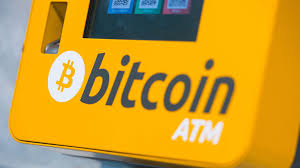
Cryptocurrency ATMs, also known as Bitcoin Teller Machines (BTMs), are kiosks that allow users to buy and sometimes sell cryptocurrencies like Bitcoin using cash or debit cards. They function by connecting to cryptocurrency exchanges and processing transactions on the blockchain. While they aim to offer a convenient way to engage with digital currencies, they differ from traditional ATMs by interacting with crypto wallets rather than bank accounts.
The number of crypto ATMs has grown significantly worldwide, with a large concentration in North America. They are often found in convenience stores, gas stations, and other easily accessible locations.
The debate around installing crypto ATMs in federal buildings underscores the ongoing discussion about the role of cryptocurrencies in society and the balance between promoting innovation and protecting consumers. As the GSA considers this proposal, it will likely need to weigh the potential benefits of accessibility and education against the risks of fraud and the complexities of regulation.





 Free Forex Signals
Leave a comment